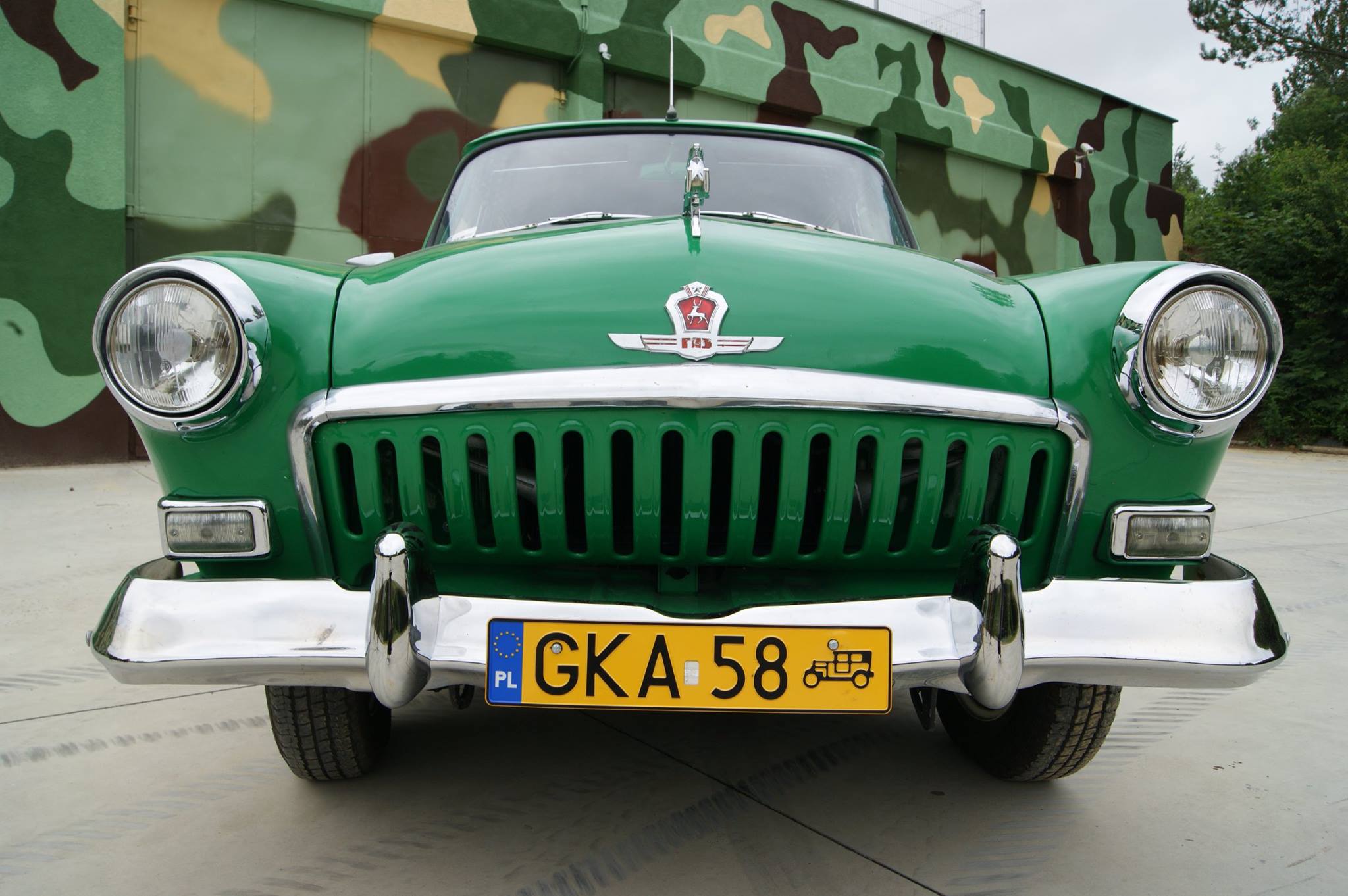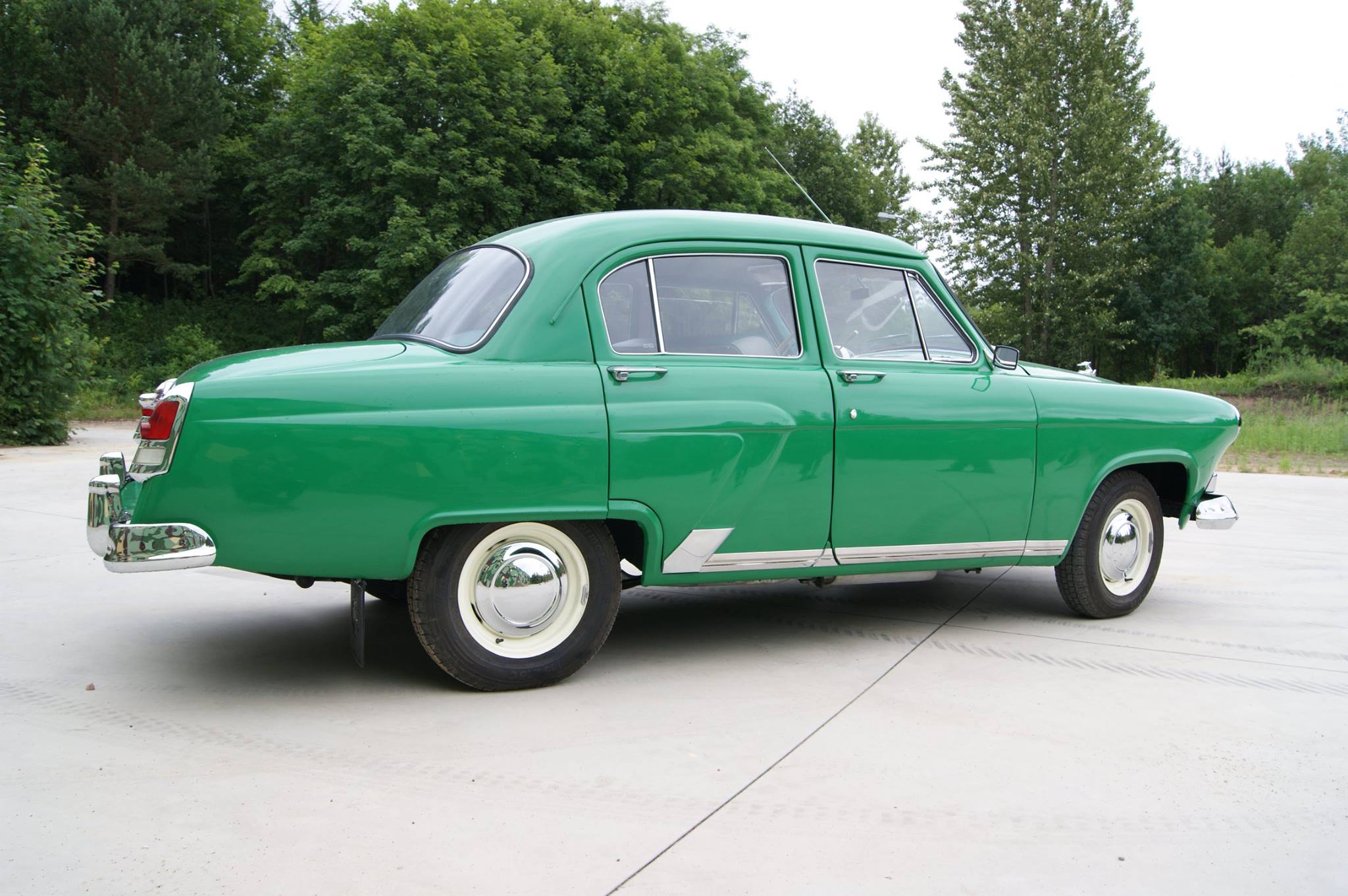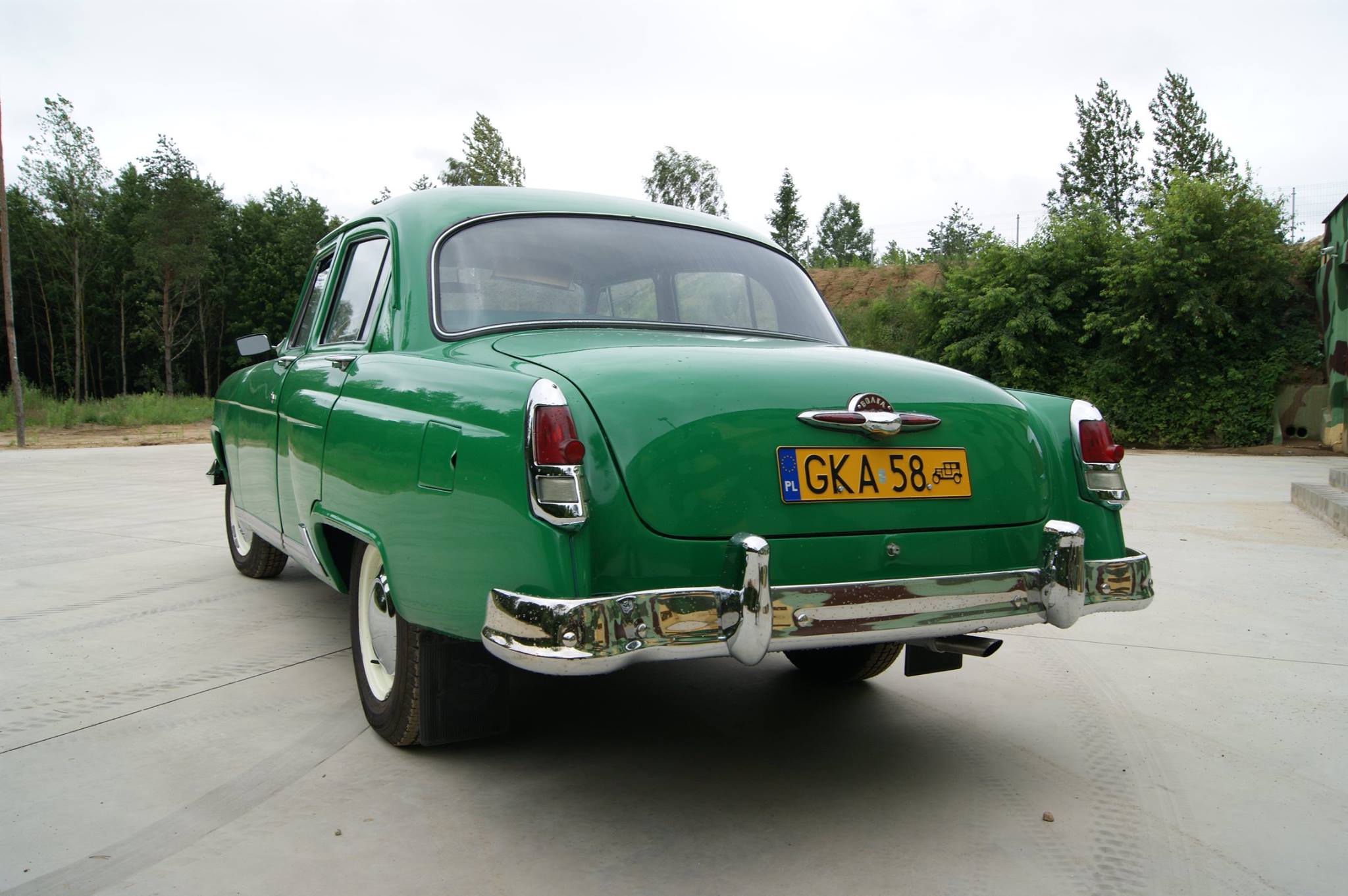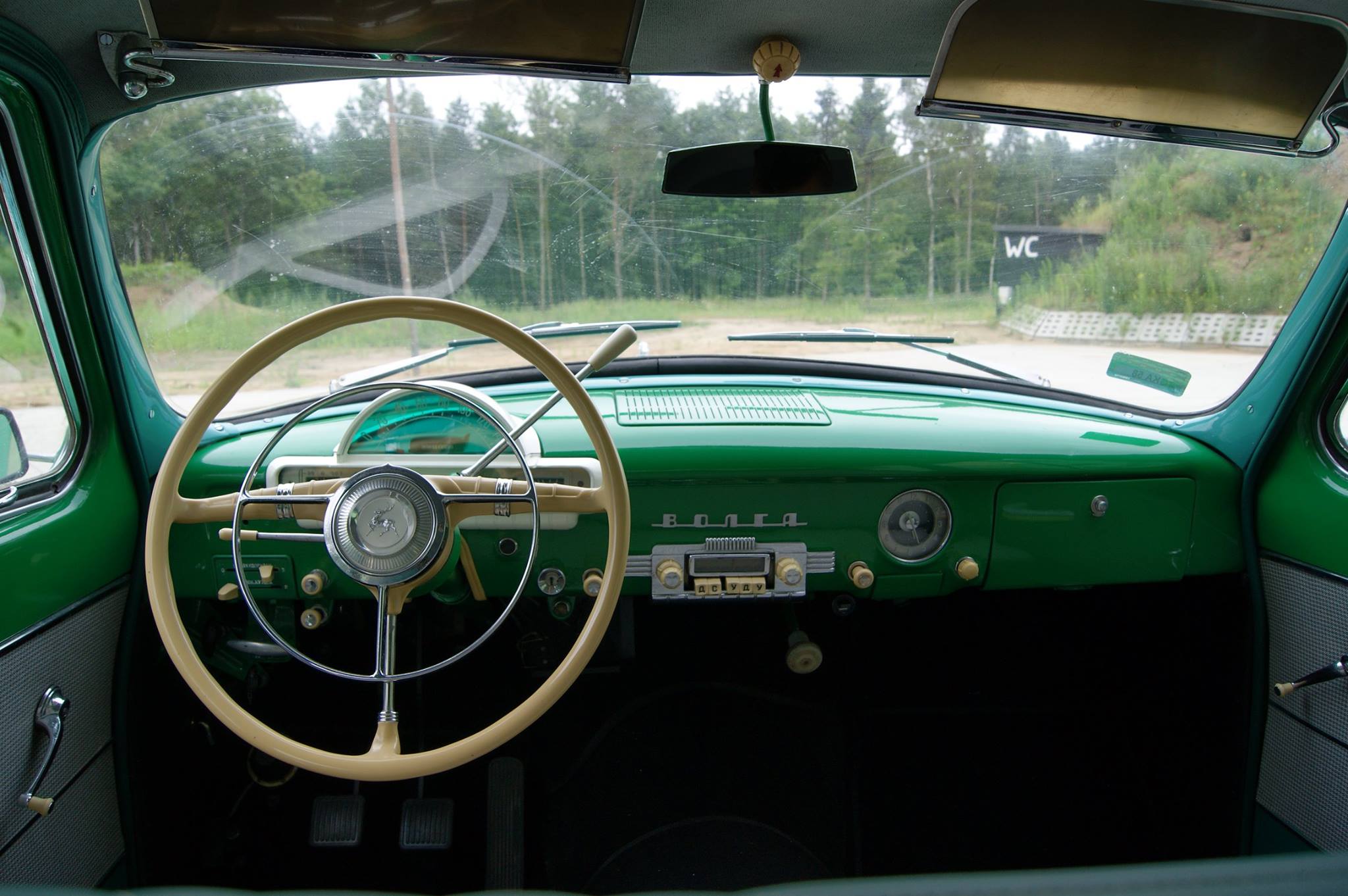
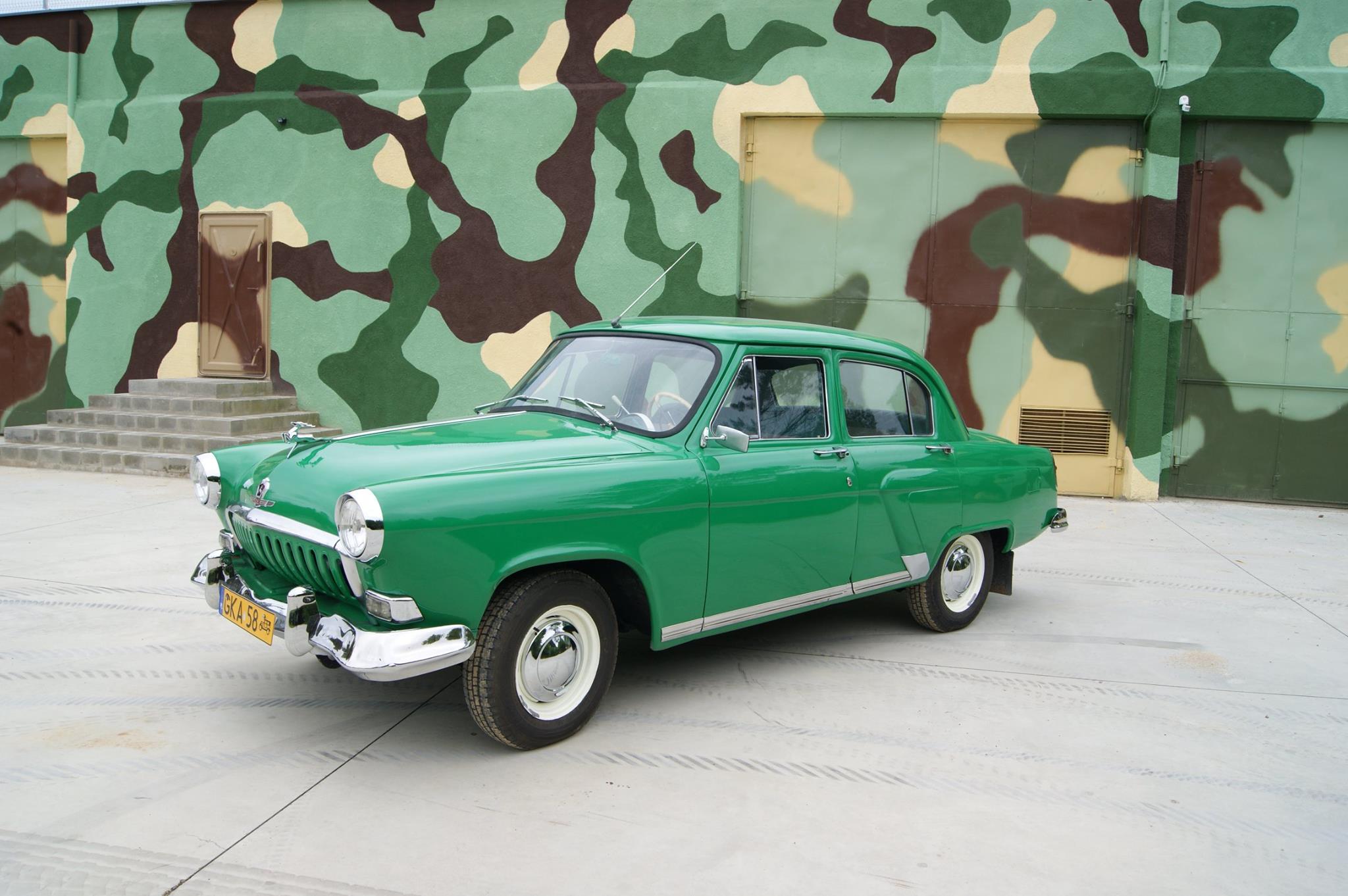


GAZ M-21 Volga (2nd series, 1958)
The successor of the GAZ M-20 Pobeda, developed in the first half of the 1950s. Originally, the designers planned to use many components that were innovative in the USSR, including: automatic gearbox and central lubrication system for the front suspension and steering mechanism, but these solutions were ultimately abandoned (only 700 units had the automatic transmission, the lubrication system was used until 1961). The M-21 was a comfortable and roomy car, and thanks to the curved, panoramic windows, it had very good visibility from the cabin. The Volga was the first Russian passenger car that had a radio and windshield washers as standard. The suspension of the front wheels was independent, on transverse wishbones and coil springs, while the rear suspension was dependent, on semi-elliptic leaf springs. Double-acting hydraulic shock absorbers were located front and rear. A total of 639,478 units were produced between 1956 and 1970 in three main production series, differing mainly in body styling and minor changes in construction. An interesting fact is that this car model was the hero of legends spread in Poland since the mid-1960s about the black Volga, which allegedly kidnapped children.
Technical data of M-21 Wolga (2nd series):
Length: 4.81 m
Width: 1.80 m
Height: 1.62 m
Wheelbase: 2.70 m
Curb weight: 1450 kg
Number of seats (load capacity): 5 (425 kg)
Maximum speed: 125 km/h
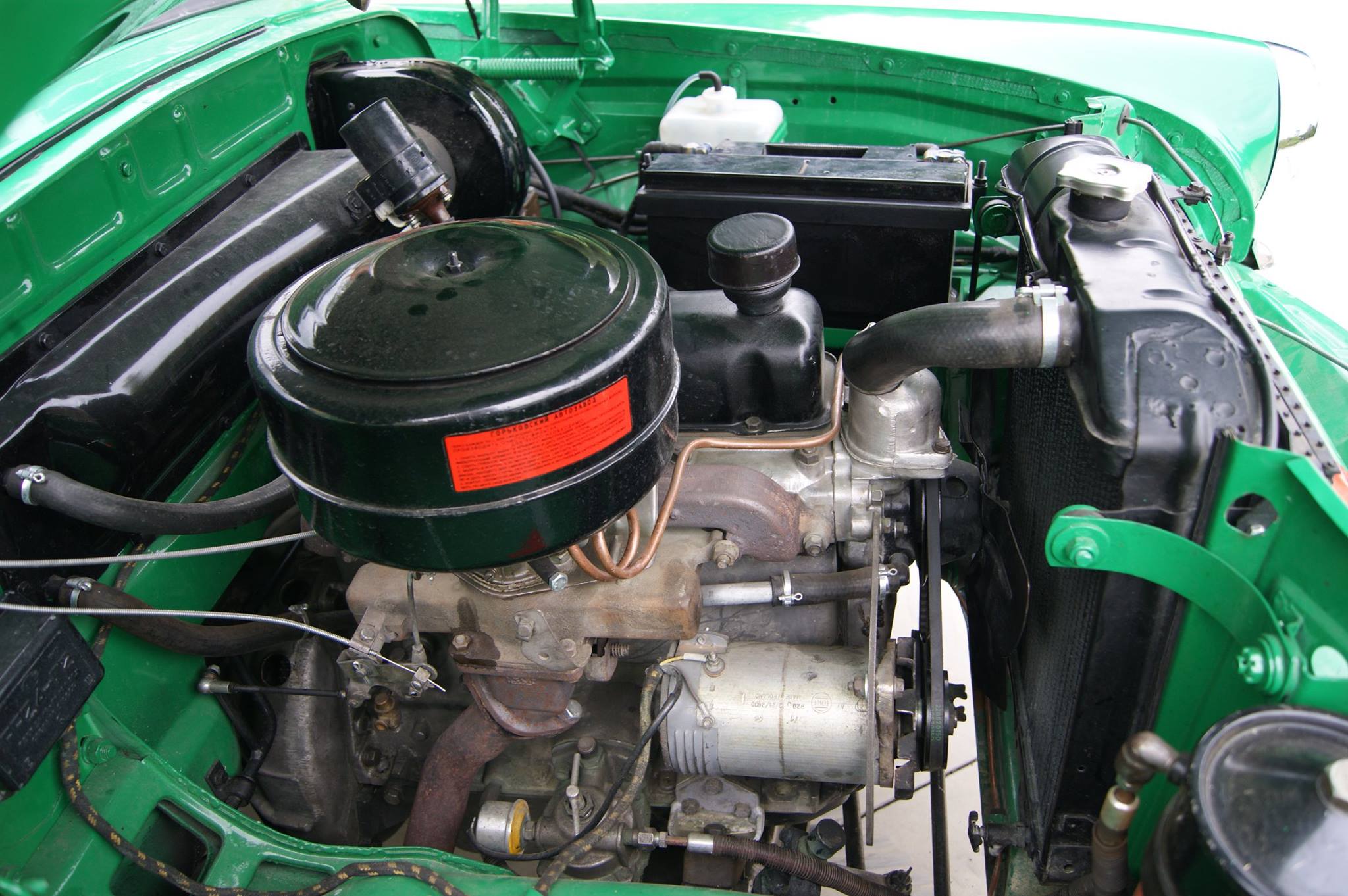
Drive: in-line, 4-cylinder gasoline engine GAZ-21A (later ZMZ-21A)
Capacity: 2445 cm3
Power: 70 HP
Average fuel consumption: 13.5 l / 100 km